
New Year’s in Japan, Through a Hawaii Lens
This post may contain affiliate links, meaning I receive commissions for purchases made through those links at no cost to you. Please read my full disclosure for more information.
There are so many traditions that we have for the new year in Hawaii, but I never realized how significant they were or how closely they track with their origins in Japan. Spending time in Japan this year over the holidays has made me appreciate some of the similarities and differences.
As a fourth-generation Japanese American, my ancestors came to Hawaii from Kyushu in the late 19th century during a period of rapid growth and immigration tied to the rise of the sugar plantations. When they arrived, Hawaii was still a kingdom. My grandparents were born after the overthrow of the Queen and annexation to the US. My father was born in Hawaii when it was still a territory, pre-statehood. And my generation came along after Hawaii became the 50th US state.
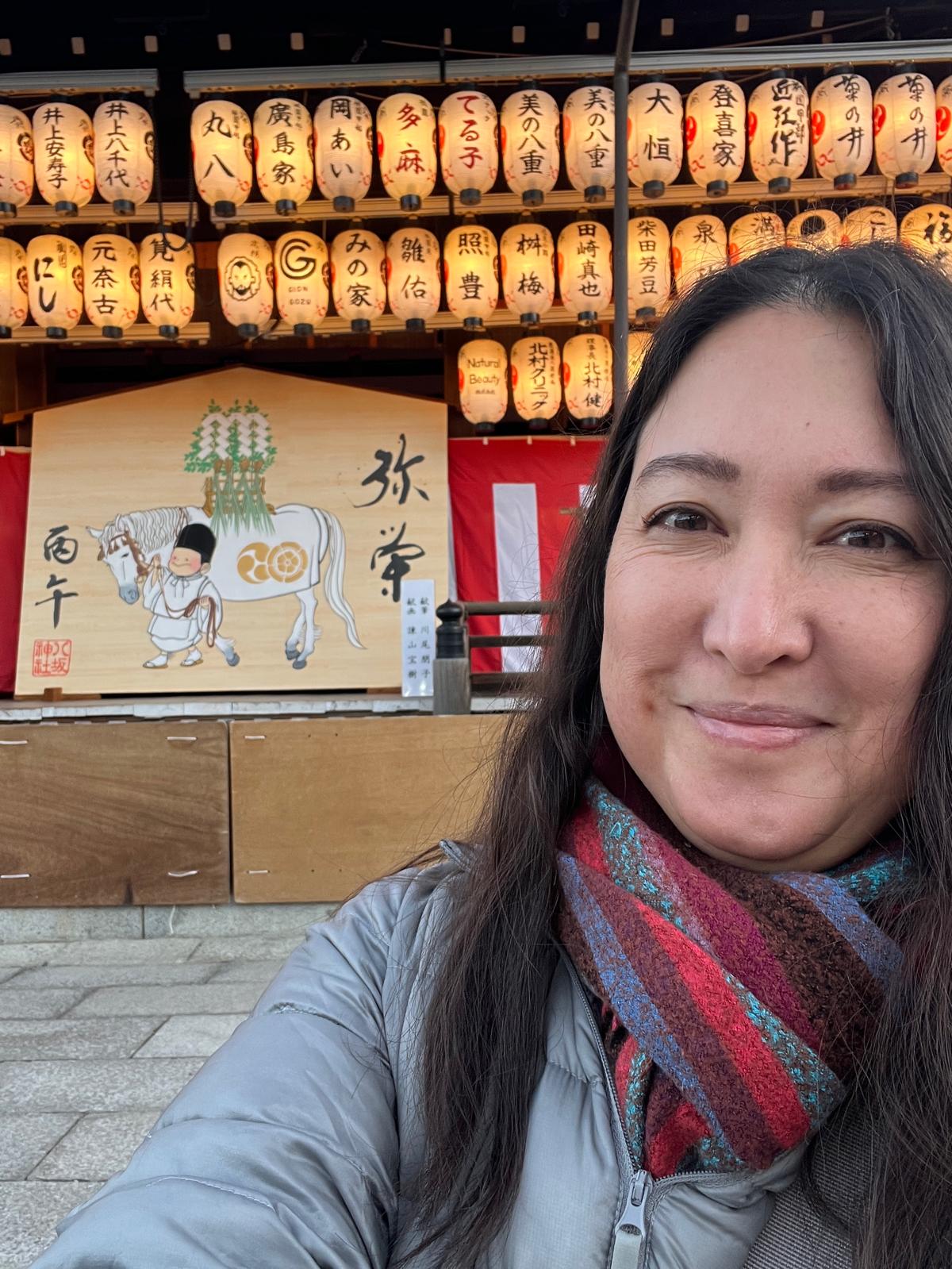
Despite being ethnically Japanese, neither of my grandparents ever visited Japan. They spoke Japanese because of their parents, but I later learned that it was a dialect not easily understood by Japanese people from Japan. I realized this when we hosted an exchange student in high school and she struggled to understand my grandmother’s Japanese.
New Year’s Day was probably the time when traditions we practiced in Hawaii align most closely with those in Japan, and even today my Instagram feed is full of local Japanese and friends posting the same things. My family didn’t, but many local families do, pound mochi sometime in December. We always deep cleaned the house on the 31st and celebrated the new year with a shot of hot sake at midnight (even as kids).
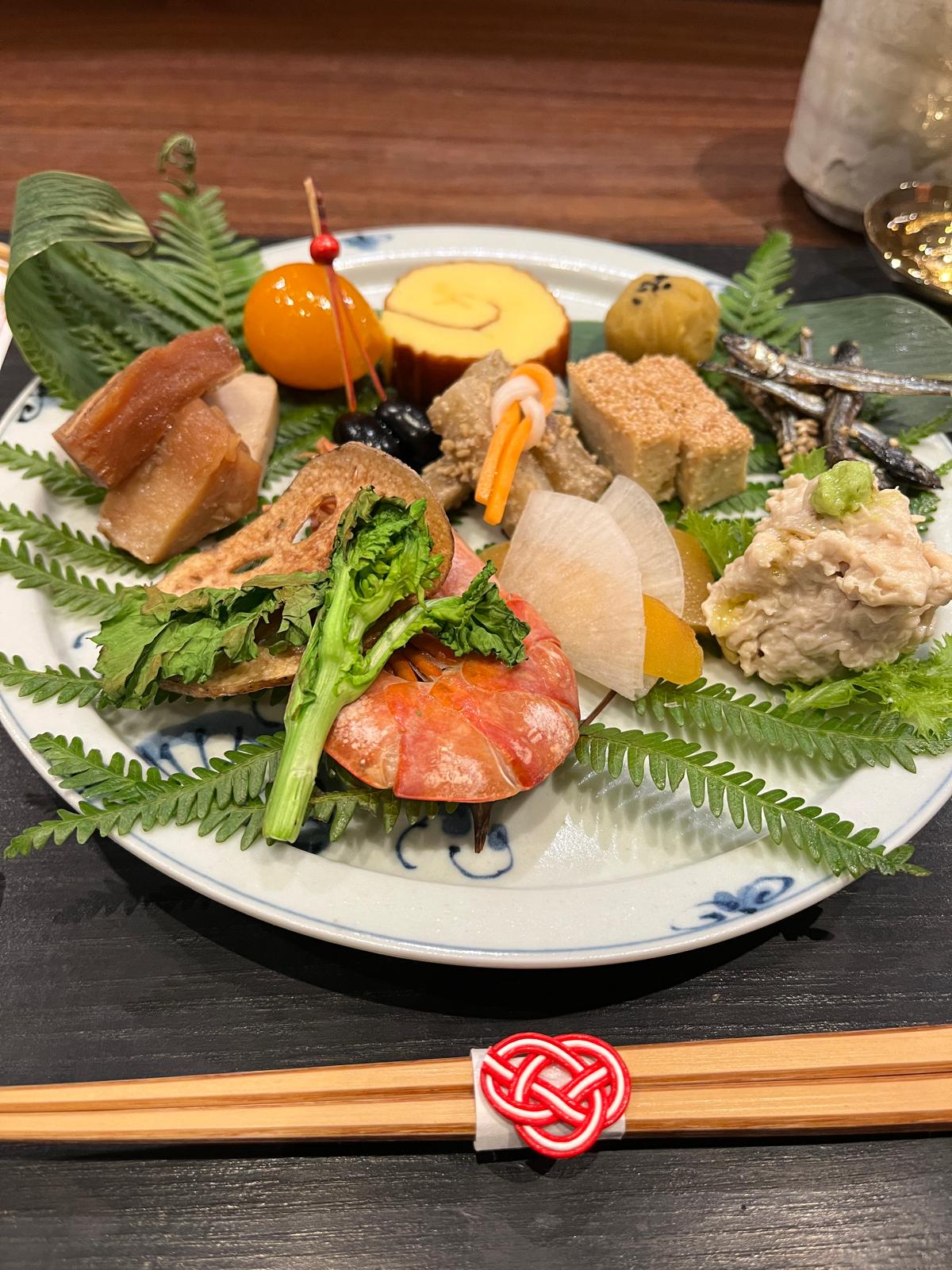
Every year my grandmother hosted a new year’s day luncheon with dishes from traditional Japanese osechi ryori like kuru mame (black beans for luck), nishime, and sashimi. I have her records, diligently recorded on index cards, of who was invited and who came, what was served and sometimes the costs. On new years day, my family would visit the temple to receive omamori for protection for all our cars, and to swap out the past year’s.

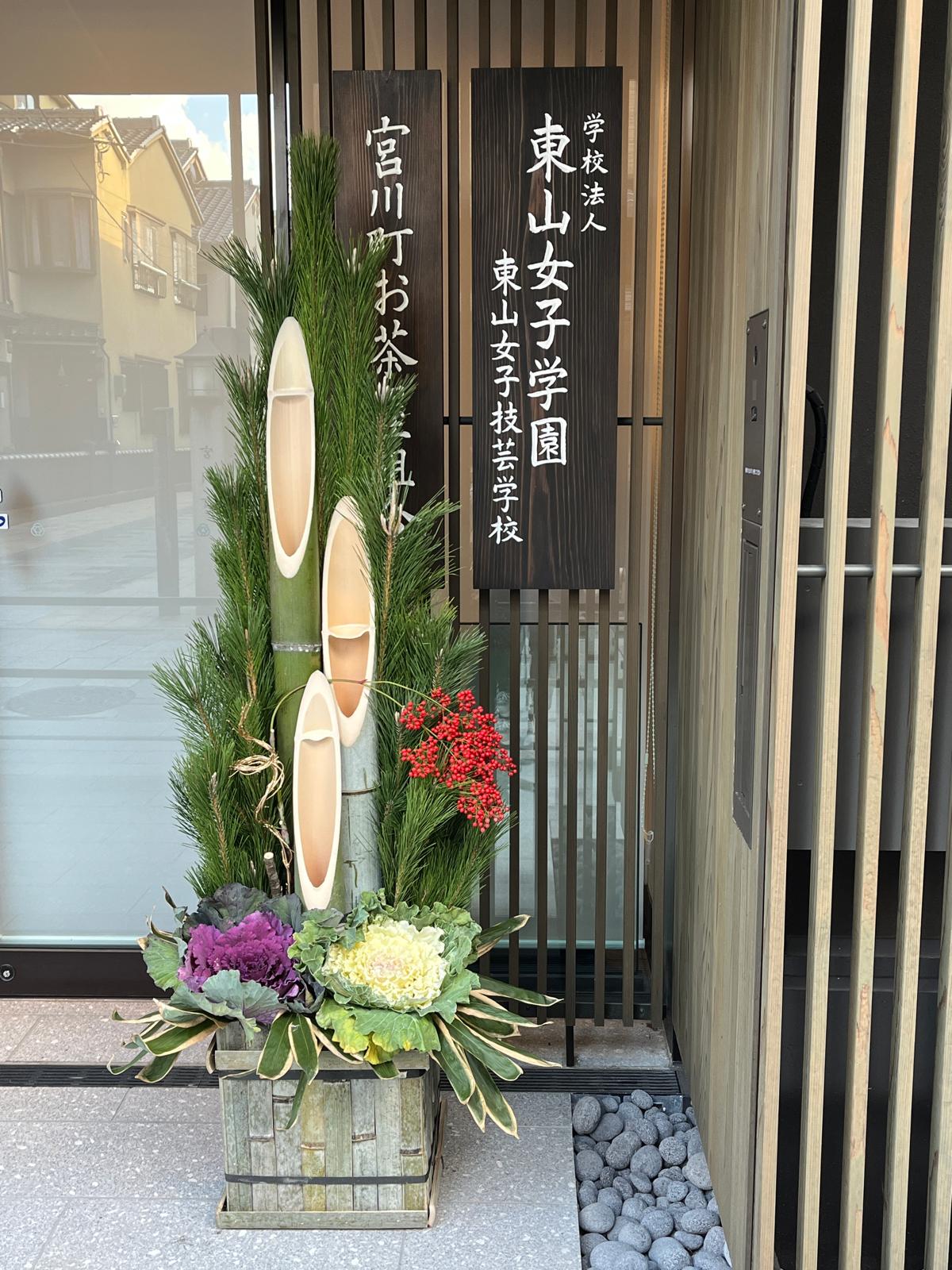
Many local families eat toshikoshi soba on New Year’s Eve and ozoni on New Year’s Day, a tradition my friends and I have adapted by sometimes eating ozoni at the beach. You’ll also see kadomatsu placed at the front doors of many homes and businesses. These days, it’s also very common to see “fukubukuro”, or lucky bags, on sale at the start of the new year.
So many of these traditions have roots in Japan, but it wasn’t until coming here to experience them in person, that I really felt the connection.
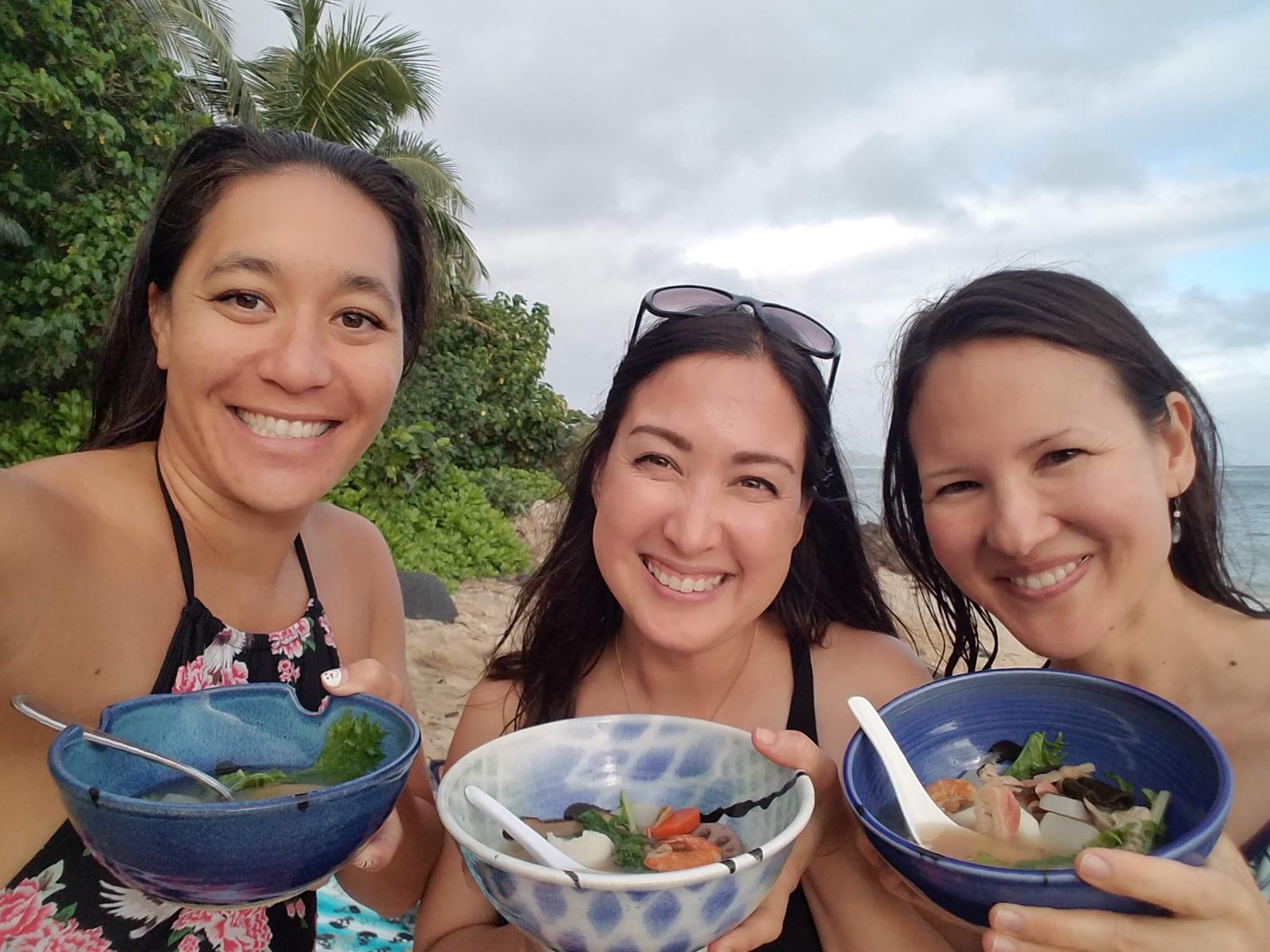
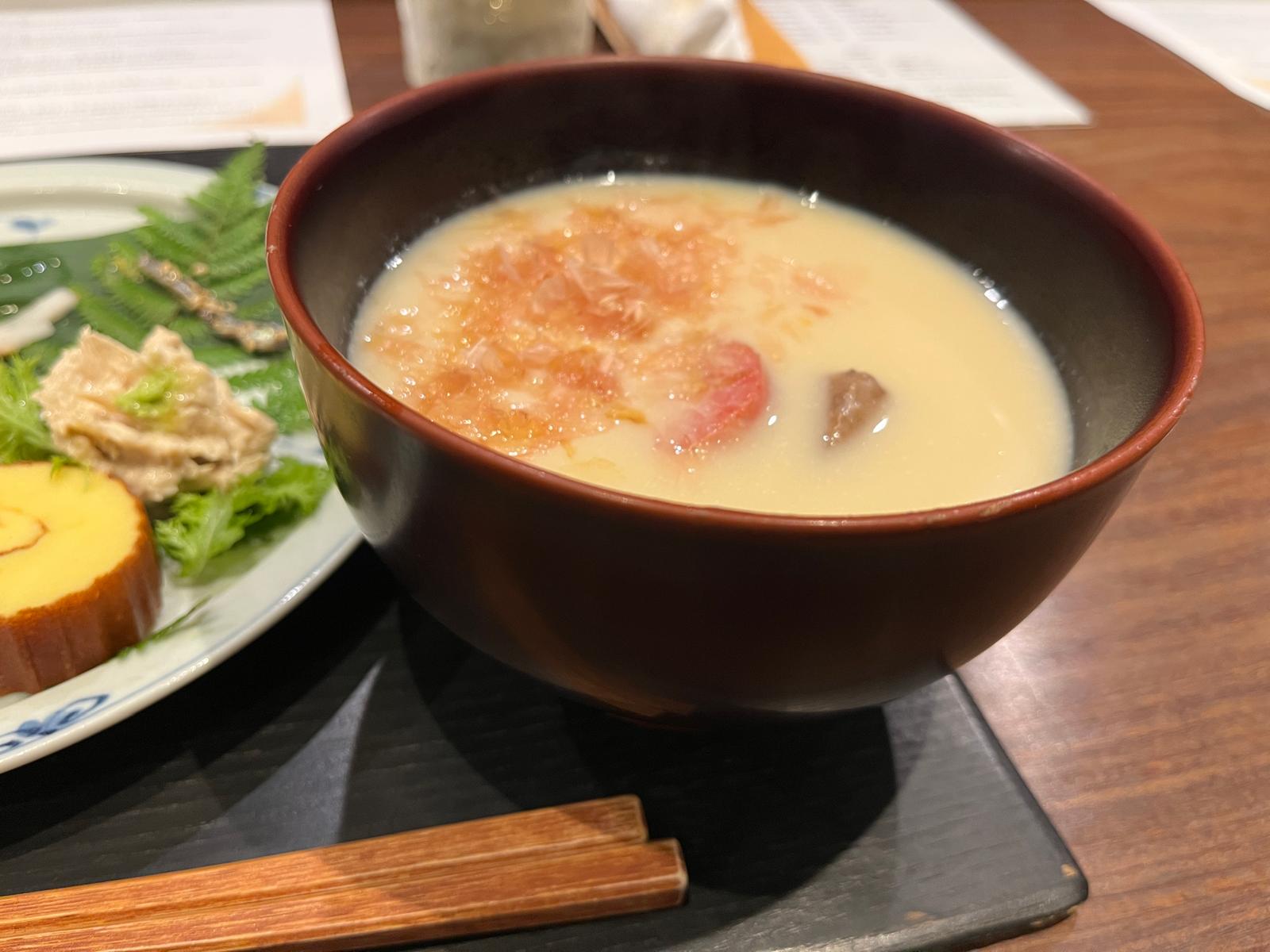
I was so grateful to meet a student of mine, Kimie and her son on their annual trip to shop for osechi ryori in Osaka. As we pushed through the crowds at the department store, I got to see how they chose the most popular dishes and Kimie explained which she would make on her own. We tasted some sake as well!
This year, in Kyoto, I noticed kadomatsu placed in doorways all around the city. I didn’t realize that cabbages (white and purple) were used as decoration, like flowers! I started to love seeing them and took a few photos whenever I passed a particularly ornate one.
On January 1st, I woke up before sunrise to visit the nearest shrine, Yasaka Shrine in Gion. I also met my friend Adrienne to visit the grand, but less crowded Tofukuji temple, where I got my first goshuincho and a new year’s stamp to start off the book.
Since it was only 10am by this point, we decided to also visit the popular Fushimi Inari shrine, where I was able to pray and get my goshuin stamp before the crowds descended in earnest. Ninety minutes later, the lines were so long that you could barely move, and I was happy to be on the way home.

I wrote my annual letter to the universe on new year’s day at Fushimi Inari shrine, in a peaceful rest area away from the rest of the crowds. It was a beautiful way to blend my Hawaii traditions (both Japanese family traditions as well as the new traditions my friends and I have made) and to send out my intentions for the new year.
This year the word I chose to guide me is Clarity. Wishing you all a happy new year, wherever you are!
Need more tips on Japan? Check out my Japan guide here as well as Tokyo and Kyoto city guides. (coming soon!)
What’s your Foodie Travel Style?

